

Efficiently Manage C-Items – Keep Costs, Transparency, and Control
C-items are small, often inexpensive materials that companies need on a daily basis. Although individual costs may seem low, expenses can quickly add up when there are no centralized procurement processes in place.
The Pareto Principle in Action
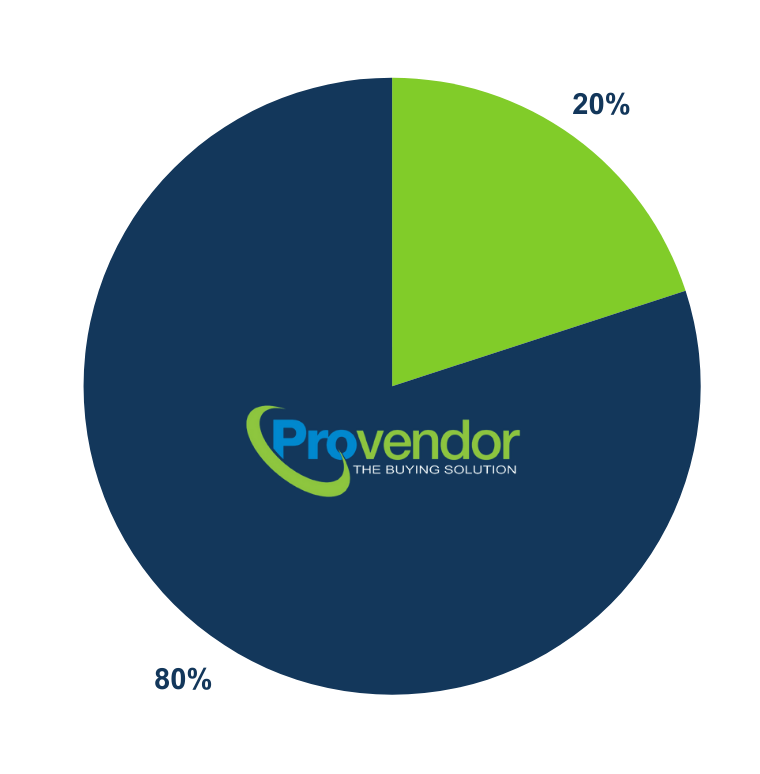
The Pareto principle shows: focus on the 20% of suppliers that account for 80% of your purchasing volume … and let us handle the rest!
The 80% of suppliers that only make up 20% of your purchasing volume often generate a significant portion of administrative costs (approximately €500–1,500 per supplier per year). Uncoordinated orders lead to high administrative effort, lack of transparency, and unnecessary expenses.
Strategic C-Item Management
With a targeted strategy for C-items, companies can work more time- and cost-efficiently, optimize inventory, and clearly define responsibilities. Provendor supports you in centrally managing all C-items, standardizing processes, and optimizing orders—without individual departments losing oversight.
Gain time and focus on what really adds value!
C-Item procurement made easy
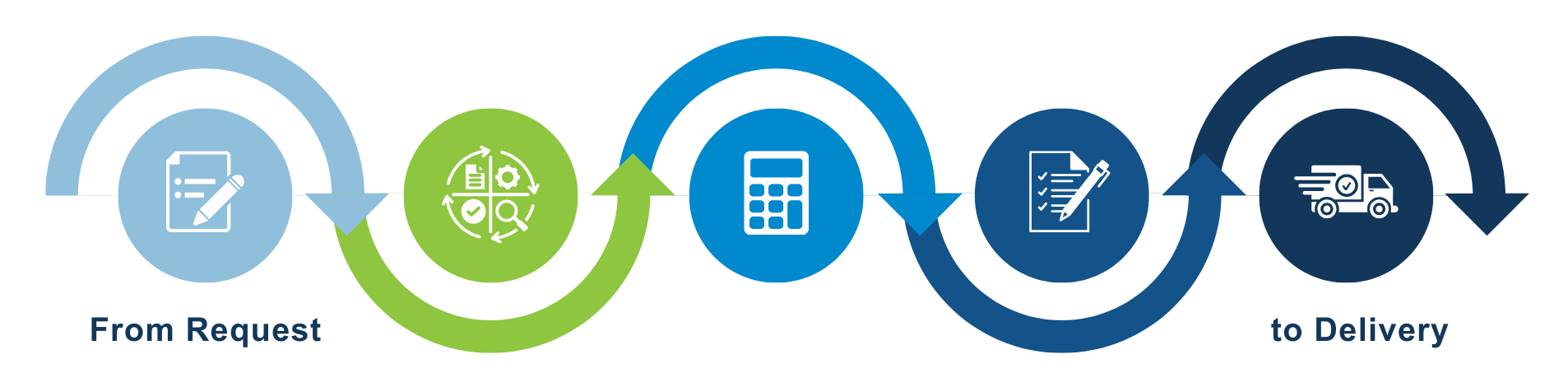
As a full-service supplier, we take over your suppliers and thus relieve you of everything that causes effort and costs in procurement: from inquiry to delivery.
Reduce the number of your suppliers efficiently and cost-effectively now!
FAQ

Do you have any further questions? Contact us—we are happy to assist you and address all your concerns.